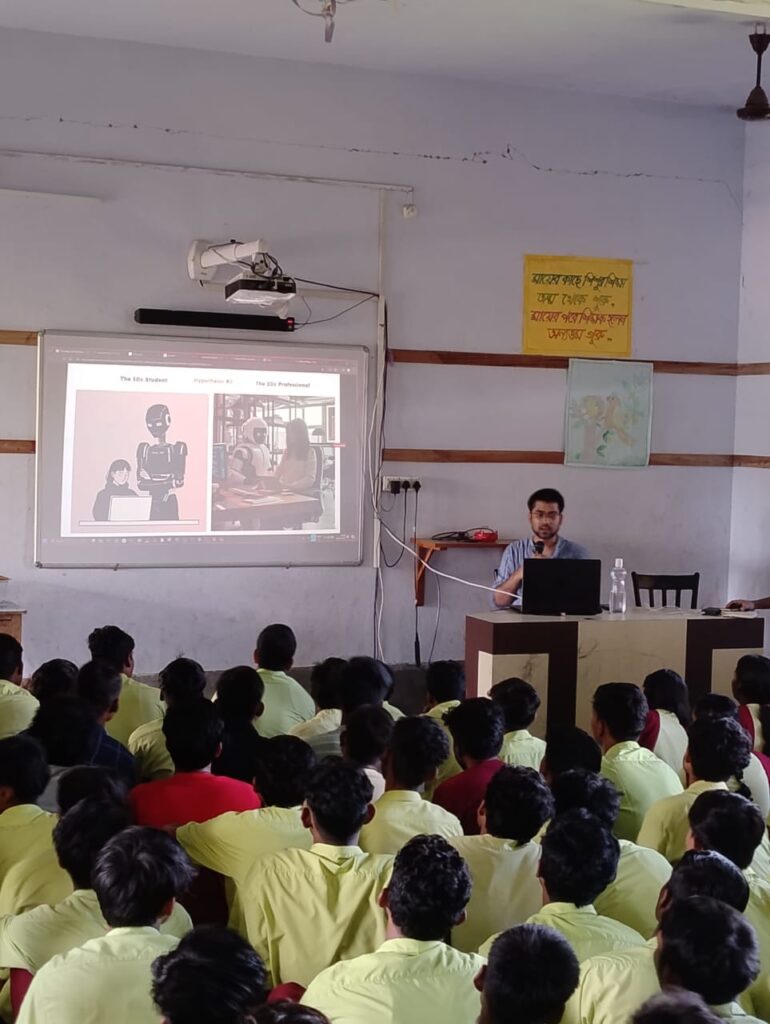
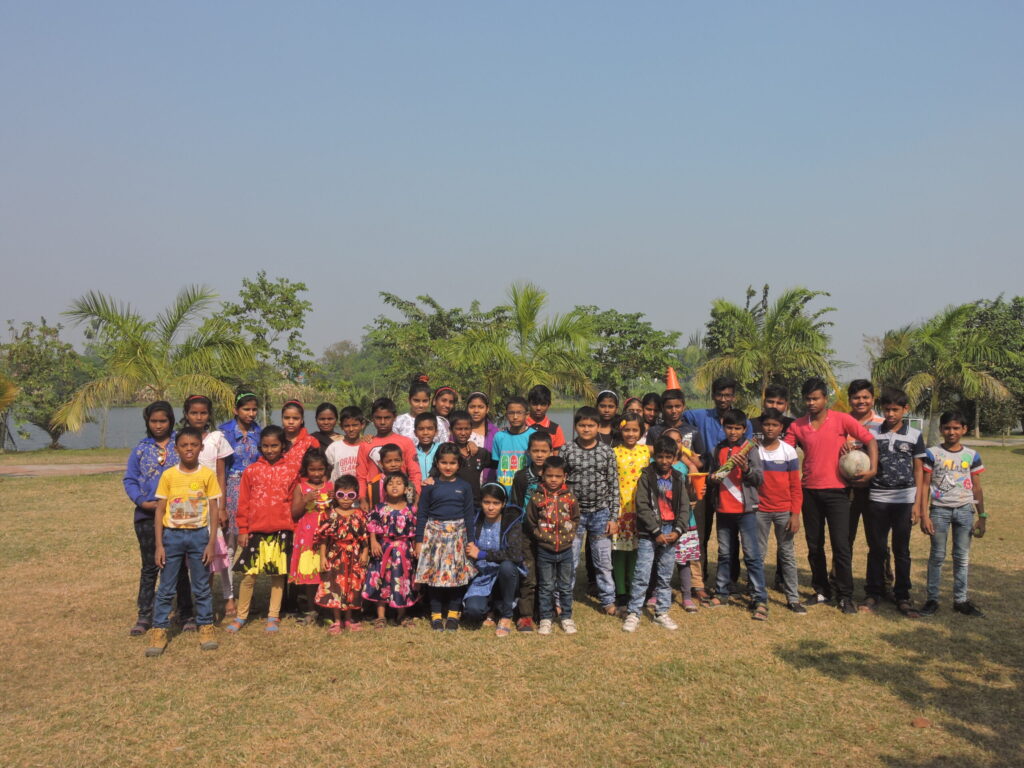
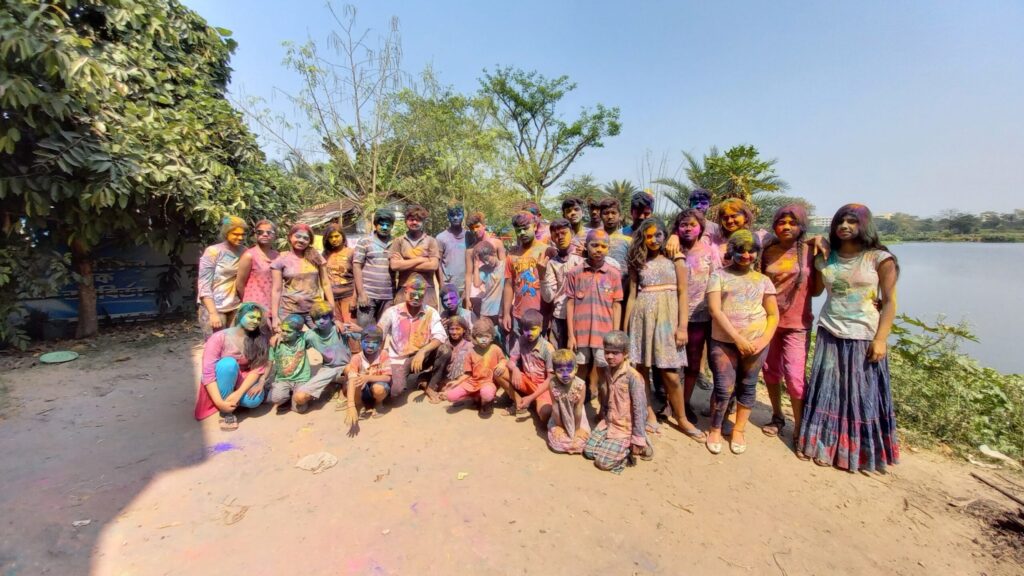
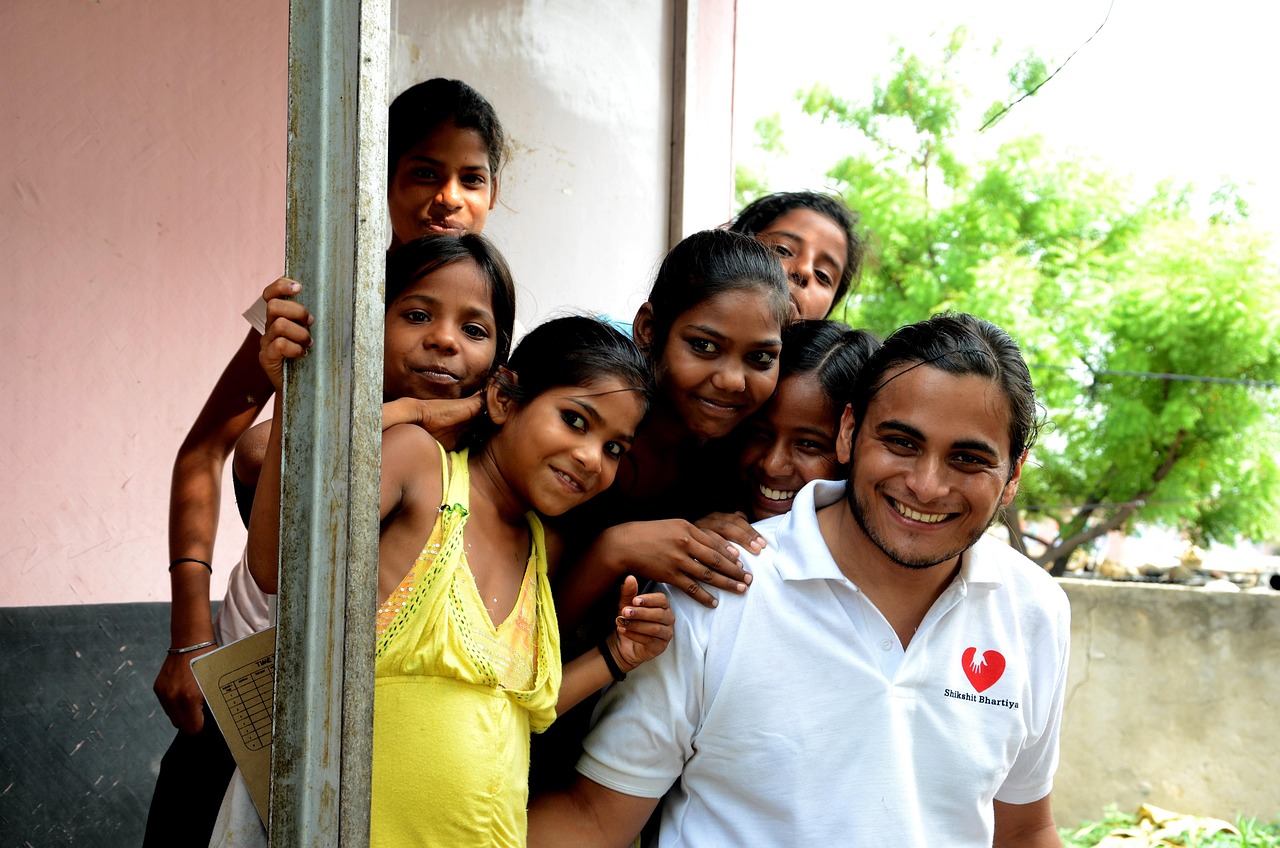
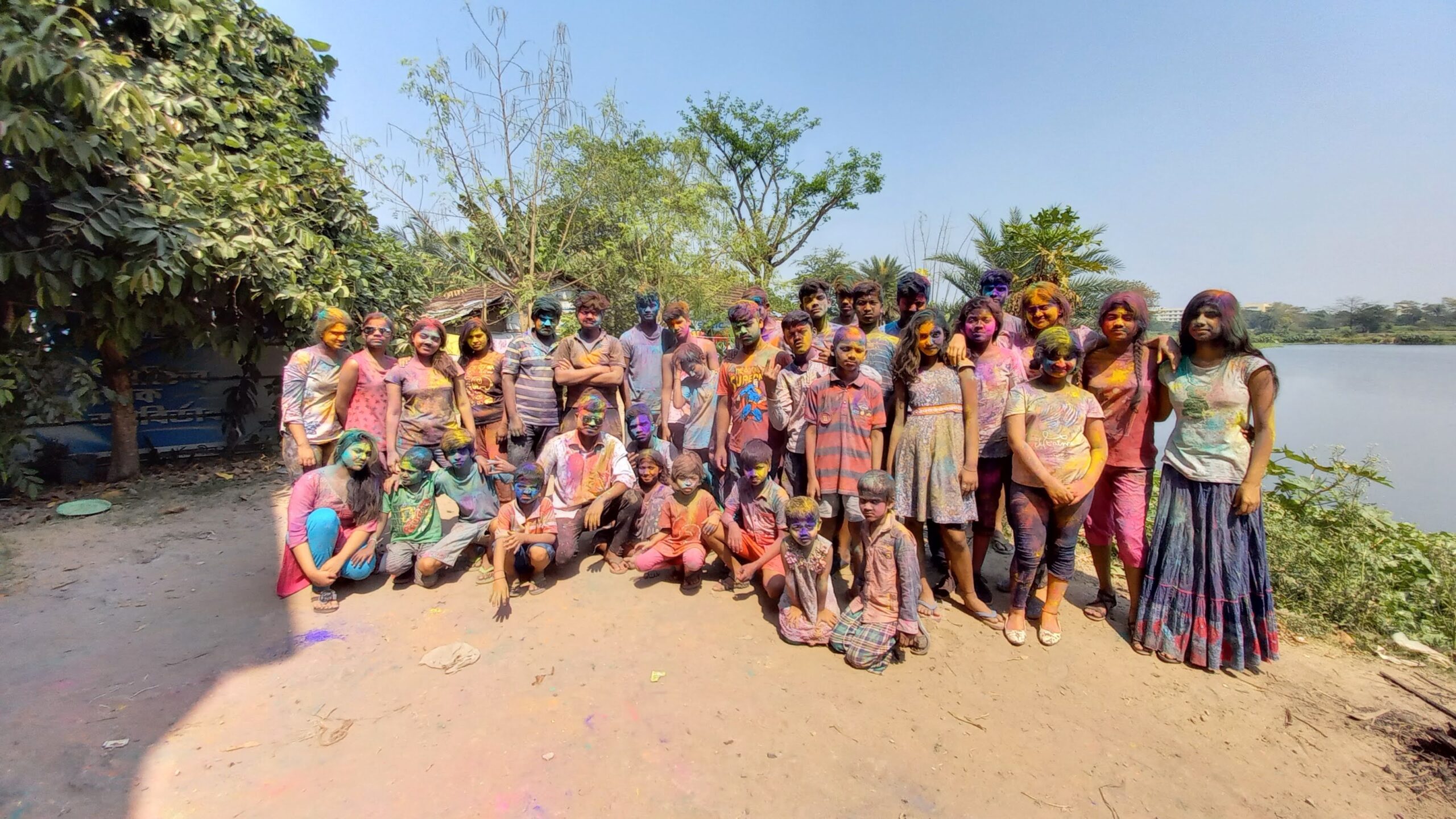
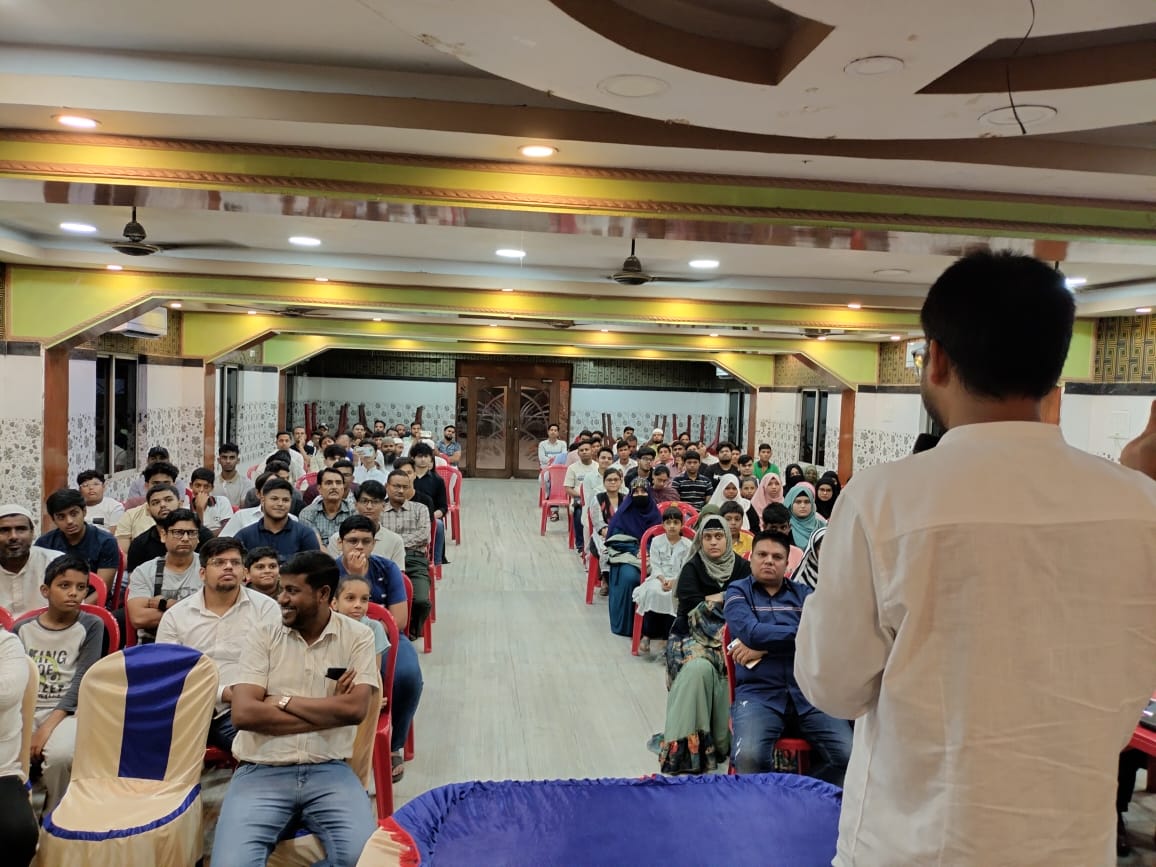
“EDUCATION is the most powerful weapon that can change the world.” These words by Nelson Mandela underscore education’s critical role in transforming societies and individuals. The path to progress in India is intrinsically tied to providing quality education for all. Despite the remarkable strides the nation has made since gaining independence, by either an individual or an NGO, India continues to grapple with issues of illiteracy and unequal access to education. A cornerstone of this pursuit of equitable education is the Right to Education Act (RTE), which was introduced in 2009.
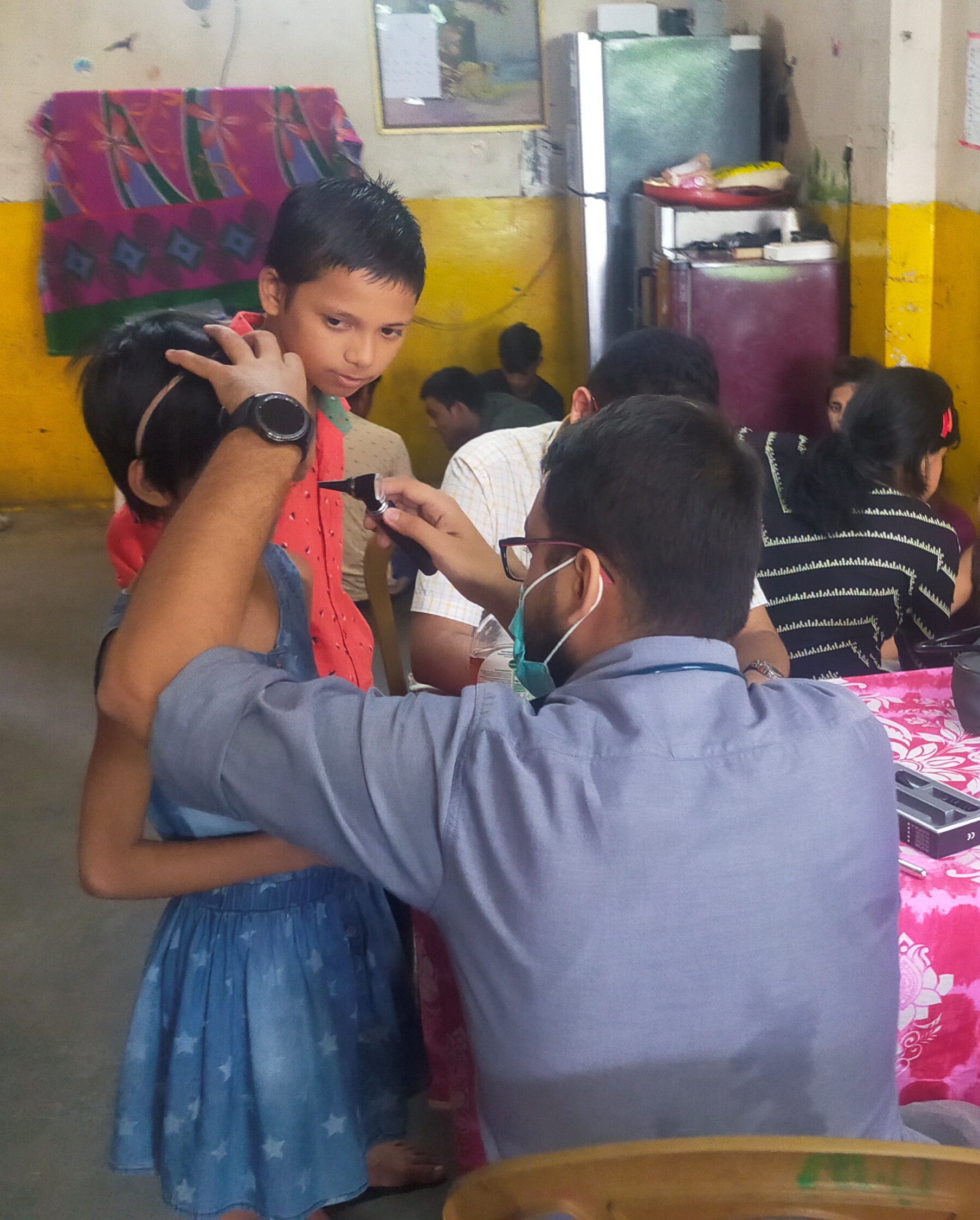
The increased availability of basic healthcare has been one of the greatest advancements in the domain of health in India. Throughout the country, local and international
NGOs play a critical role in ensuring that even the rural populace is well-connected to health facilities. These organisations have also adopted new models of care, including mobile clinics and telemedicine, to access patients who were not well-reached before.
These interventions, which include a variety of health and nutrition programmes, have ensured the expansion of medical services, right to the doorsteps of people. Health camps, vaccination campaigns, and awareness activities have brought down the occurrence of communicable diseases and enhanced the quality of life. Through early detection and intervention, these NGOs have significantly reduced mortality and improved the quality of life of millions.
Environmental sustainability has become an essential responsibility for all organizations, especially Non-Governmental Organizations (NGOs) that aim to create long-lasting social and developmental impact. NGOs engaged in sectors such as health, education, women’s empowerment, and community upliftment must also consider how their operations affect the environment. In today’s climate-conscious world, integrating sustainability into project planning and implementation is both a moral and strategic imperative.
Child protection is a cornerstone of any NGO that works with children, as their safety and well-being are paramount. NGOs play a critical role in education, healthcare, and community development for children, and it is essential that they create environments that are not only supportive but also safe. To ensure that children are protected from abuse, neglect, and exploitation, NGOs must implement rigorous child protection policies. These policies not only provide guidelines on safeguarding but also reflect the organization’s commitment to children’s welfare.
A child protection policy needs to be comprehensive, covering key aspects such as the recruitment process for staff and volunteers, their training in identifying and responding to abuse, and the establishment of clear, confidential reporting mechanisms. These policies should clearly define what constitutes abuse, including physical, emotional, sexual abuse, and neglect. They should also specify the responsibilities of all staff and volunteers, ensuring that everyone understands their role in protecting children
Non-Governmental Organizations (NGOs) in India have been instrumental in empowering women, addressing a wide range of issues that affect their lives. These organizations play a significant role in breaking societal barriers, enabling women to access opportunities that promote independence and equality. From providing education and healthcare to offering legal protection and economic empowerment, NGOs are central to fostering change and supporting women in realizing their full potential.
One of the key areas where NGOs have made a substantial impact is in education and skill development. Many NGOs run programs that focus on providing girls and women with access to formal education and vocational training. These programs help women acquire skills, build confidence, and become self-sufficient, thereby improving their social and economic standing. By supporting government initiatives and establishing schools and learning centers, especially in rural areas, NGOs help to ensure that education is accessible to those who may otherwise be excluded due to socio-cultural norms or poverty.
In the digital age, social media has transformed into more than just a communication channel—it has become a powerful catalyst for advocacy, awareness, and action. For NGOs, especially those with Section 8 company registration, NGO registration, or 12A and 80G registration, leveraging social media can significantly amplify their visibility and impact.
Social platforms such as Facebook, Instagram, Twitter, LinkedIn, and YouTube offer NGOs a dynamic way to share their stories, mobilize volunteers, and reach potential donors. These platforms allow real-time storytelling, meaningful community interaction, and the ability to showcase ongoing projects and success stories that build emotional connections. When aligned with legal recognition—such as Section 8 company Registration status or valid 12A and 80G registrations—this content helps establish credibility and fosters trust among stakeholders.
In a rapidly changing global job market, the importance of free vocational training has never been more evident. Vocational training equips individuals with practical skills and knowledge that are essential for securing meaningful employment. In many parts of the world, especially in underserved communities, non-governmental organizations (NGOs) have emerged as the driving force behind vocational training initiatives, bridging the skills gap and empowering communities. This article delves into the pivotal role of NGOs for vocational training, shedding light on their contributions, impact, and the way forward.
Hardware and Networking Training